
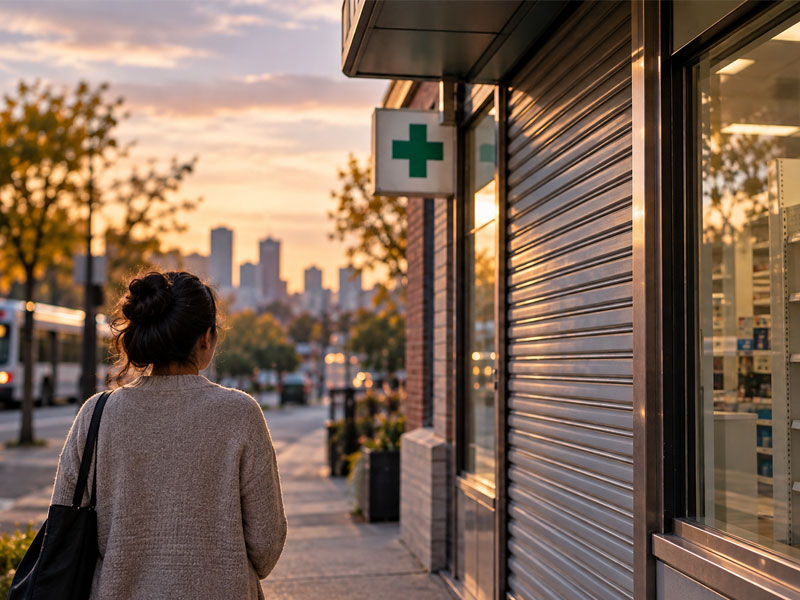
Pharmacy closures across the United States are making it harder for many communities to obtain essential medicines, with underserved neighborhoods facing greater challenges in accessing everyday healthcare services
Washington, D.C., 12 October 2026 – A neighborhood pharmacy is more than a place to pick up prescription medications. For many people, it is also a convenient source of health advice, vaccinations, and support for managing long-term illnesses. However, as pharmacies continue to close across the United States, many residents are losing access to services they depend on. The impact is particularly concerning in communities where healthcare resources are already limited.
Research highlighted by Public Health Watch points to significant differences in pharmacy access across American neighborhoods. Studies have found that predominantly white neighborhoods tend to have greater pharmacy availability than communities with larger racial and ethnic minority populations. These differences raise concerns about healthcare disparities and whether everyone has a fair opportunity to access essential medications close to home.
The scale of the problem is substantial. Research has documented thousands of pharmacy closures across the country in recent years. Financial pressures, low reimbursement rates for prescription drugs, rising operating expenses, and staffing challenges have made it increasingly difficult for some pharmacies to remain open. Independent pharmacies can be especially vulnerable because they often have fewer financial resources to absorb these pressures.
When a local pharmacy shuts down, residents may have to travel farther to collect their prescriptions. This can create additional expenses and difficulties for older adults, people with disabilities, and families without reliable transportation. For individuals who need medication regularly, even a seemingly small increase in travel time can become a significant burden.
The loss of nearby pharmacies can also affect people managing chronic conditions, including heart disease, diabetes, and seizure disorders. These patients often depend on consistent access to prescribed treatments. Finding a new pharmacy, transferring prescriptions, and arranging transportation can disrupt their routines and potentially delay medication use. Previous research has linked pharmacy closures to reduced access to essential prescription drugs, highlighting the importance of reliable community healthcare services.
Pharmacies also provide services beyond dispensing medications. Many offer vaccinations, medication counseling, and guidance on managing common health concerns. When these services disappear from a neighborhood, residents may have fewer convenient options for meeting their healthcare needs. The consequences can extend beyond individual patients, placing additional pressure on other healthcare providers.
Addressing pharmacy shortages requires a closer look at the needs of underserved communities. Supporting local pharmacies, improving transportation options, and strengthening access to affordable prescription medications could help reduce existing gaps. Healthcare providers and community organizations can also help patients navigate pharmacy closures by communicating alternative locations and assisting with prescription transfers.
As pharmacy closures continue to reshape healthcare access in the United States, the issue goes beyond the survival of individual businesses. It highlights the importance of maintaining a dependable network of community pharmacies, particularly in neighborhoods where alternatives are limited. Ensuring that people can obtain essential medicines without unnecessary barriers remains an important part of improving public health and reducing healthcare disparities.

Latest News


Future Health Leaders Push for...
By Editorial Panel, Medical Busin...


Medical Business Outlook Magazine is a platform dedicated to exploring the growing medical business arena and the solutions that drive it forward. We connect readers with the latest trends, thought leadership, and expert perspectives that matter most in today's challenging medical environment.
We respect your privacy. The email address you provide will be used solely for subscription purposes and will not be stored or shared.
Subscribe Now
