
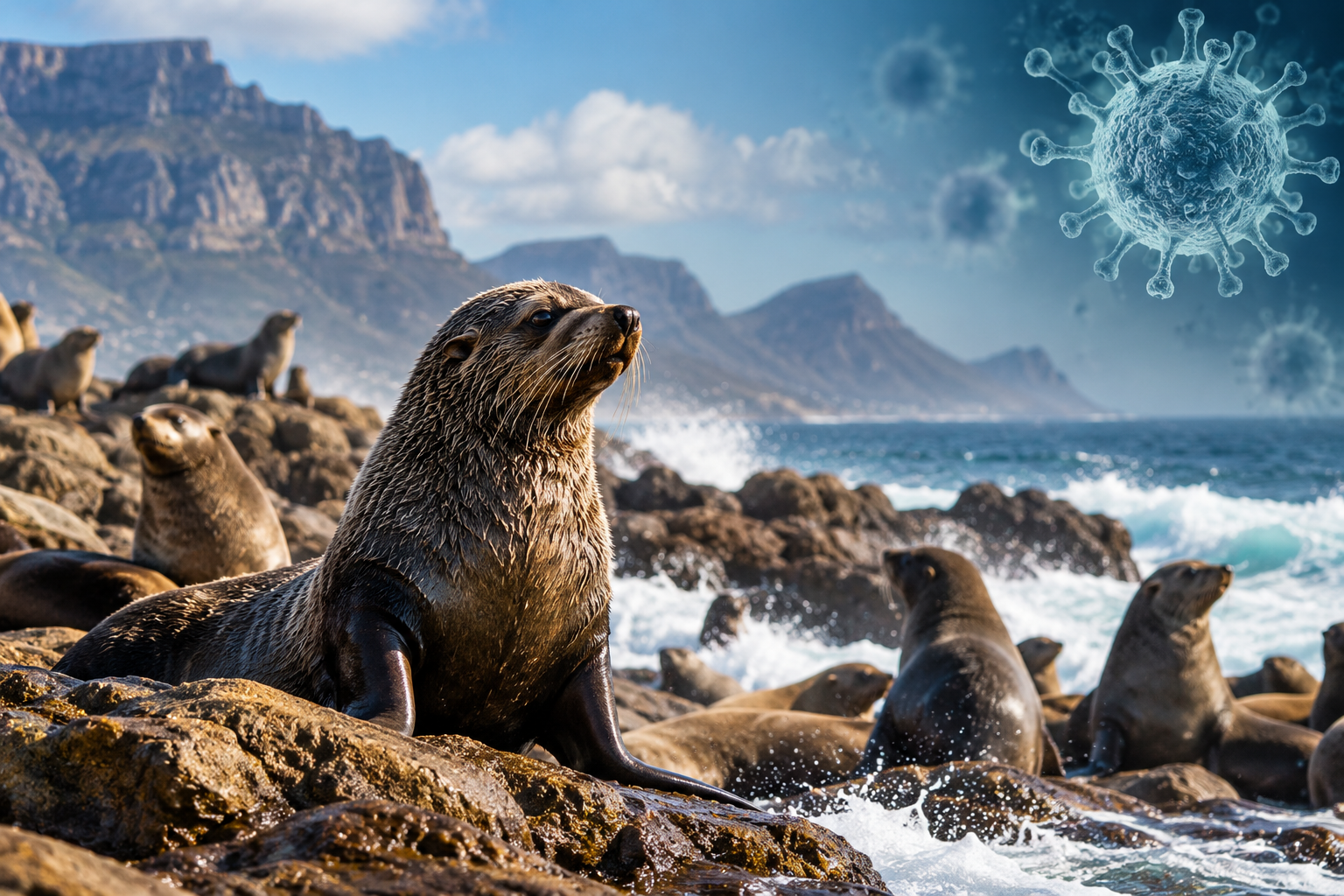
An unusual outbreak in wildlife is raising fresh questions about how rabies moves between species, why early detection matters, and how scientists can protect animals and people
Cape Town, South Africa, 22 October 2026 – Rabies is widely known as a dangerous disease associated with infected dogs, bats, and other mammals. But scientists are now confronting a less familiar development: the virus has established itself among Cape fur seals along southern Africa’s coastline. The outbreak is challenging existing assumptions about rabies transmission and raising concerns for wildlife conservation and public health.
The discovery highlights how infectious diseases can move beyond the animal populations in which they are usually found. It also underlines the importance of monitoring animal health, understanding the movement of viruses, and identifying unusual behavior before an outbreak becomes more difficult to control.
Cape fur seals live along the coasts of southern Africa, where they gather in large colonies. Their behavior and close contact with one another create opportunities for infectious diseases to spread. Rabies, however, was not previously known to circulate continuously within a free-ranging marine mammal population.
According to the World Organisation for Animal Health, more than 100 rabies cases had been confirmed in Cape fur seals in South Africa and Namibia since 2024. Investigations suggest that the outbreak began after the virus crossed from another animal population and subsequently continued spreading among seals.
Scientists traced the likely origin to a rabies virus variant associated with black-backed jackals in southern Africa. Genetic analysis helped researchers understand the connection between the virus found in seals and its likely source. The findings demonstrate why disease surveillance must extend beyond familiar carriers and include wildlife species that may not ordinarily be considered at risk.
One of the most noticeable signs of the outbreak was unusual aggression among some seals. Animals that would normally avoid people began displaying unpredictable behavior and attacking people or other animals.
Such changes can signal a neurological illness, although aggression alone cannot confirm rabies. Other conditions can also affect animal behavior, making laboratory testing essential for identifying the cause.
The outbreak has also created direct concerns for people who work around seals, including wildlife researchers, coastal workers, and tour operators. Rabies can spread when infected saliva enters the body through bites, scratches, or broken skin. Anyone exposed to a potentially infected animal needs immediate medical assessment rather than waiting for symptoms.
Rabies is especially dangerous because it is almost always fatal once clinical symptoms appear. However, prompt medical care after exposure can prevent the disease from developing. Washing a bite or scratch thoroughly with soap and running water and seeking urgent medical attention are important first steps. Healthcare professionals can determine whether rabies vaccination and other preventive treatment are needed.
Containing the outbreak among seals presents a different challenge. These animals move along extensive coastlines, and reaching every individual for vaccination or monitoring is difficult. Authorities must therefore combine wildlife surveillance, laboratory testing, public awareness, and carefully targeted interventions.
The situation also reinforces the value of vaccinating domestic dogs, which remain the main source of human rabies infections worldwide. Preventing transmission in familiar animal hosts can reduce the likelihood of the virus reaching other species.
The seal outbreak illustrates how closely human health, animal health, and environmental conditions are connected. Scientists cannot rely solely on established patterns when tracking infectious diseases. Unexpected cases may reveal new routes of transmission and expose gaps in existing monitoring systems.
Continued research will be needed to understand how the virus behaves in marine mammals, how widely it may spread, and what measures offer the best chance of controlling it. For now, the central lesson is clear: early reporting, responsible interaction with wildlife, animal vaccination, and cooperation between veterinary and public health authorities remain essential tools against rabies.

Latest News



Future Health Leaders Push for...
By Editorial Panel, Medical Busin...


Medical Business Outlook Magazine is a platform dedicated to exploring the growing medical business arena and the solutions that drive it forward. We connect readers with the latest trends, thought leadership, and expert perspectives that matter most in today's challenging medical environment.
We respect your privacy. The email address you provide will be used solely for subscription purposes and will not be stored or shared.
Subscribe Now
